Florist Shop and BouquetMat: Two Different Needs, One Customer
Many florists, when they first hear about the BouquetMat, react in a similar way. They ask themselves whether someone is trying to replace what they have built over the years: the customer relationship, the conversation, the advice, the atmosphere of the shop. That’s a completely natural reaction. A florist shop is not just an ordinary store — it’s a space of emotion, ritual, and human interaction.
And exactly for this reason it’s worth honestly looking at what customers really expect today, and in what situations those expectations change.
Because a customer is not one thing — and there isn’t a single way people buy flowers anymore.
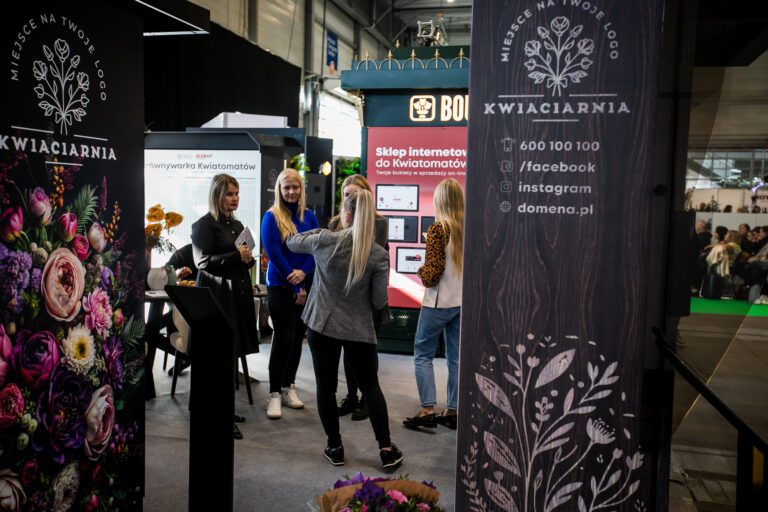
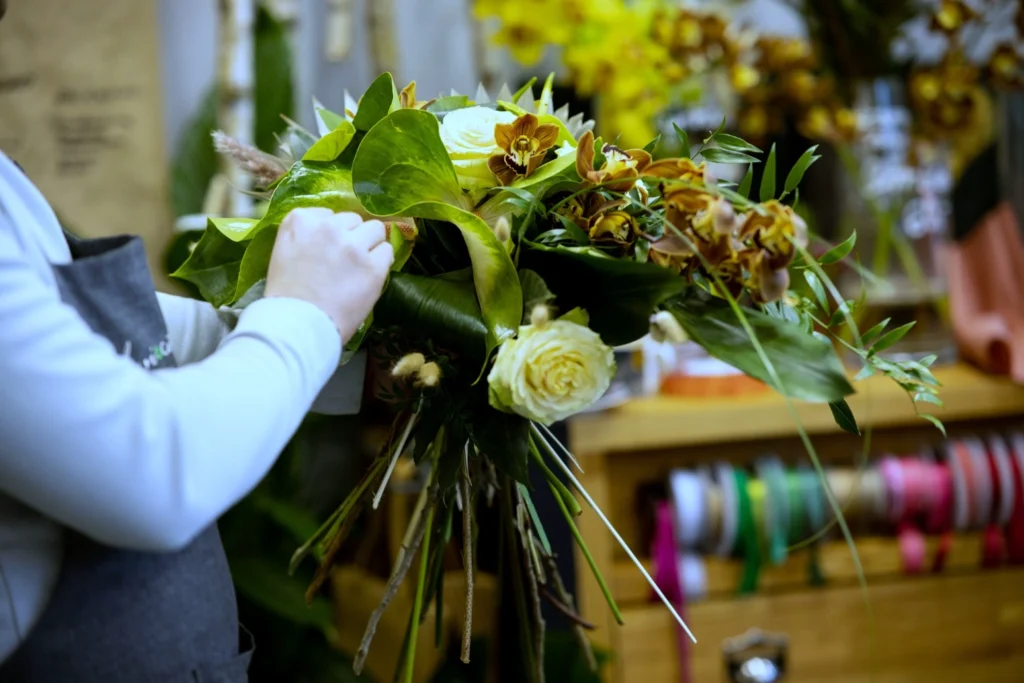
There are moments when the customer wants to enter a florist shop. They want to stop. Look around. Ask questions. Share a story. They want someone to guide them, advise them, help choose color, style, and words. In those moments a florist shop is truly irreplaceable. The customer experience (UX) of a florist shop is built on relationship, on the presence of another human being, and on the time that can be given to a client.
But there are also completely different situations. Moments of hurry, fatigue, or impulse. Moments when a customer doesn’t want conversation, doesn’t want explanations, and doesn’t want to think — they simply want to buy a bouquet and move on. Not because they don’t respect the florist profession, but because their life situation at that moment is different.
And this is exactly where the key difference in UX between a florist shop and a BouquetMat becomes clear.
A florist shop requires a decision to enter — to cross the threshold and engage in a relationship. For many people that’s still a psychological barrier rather than a physical one. They know someone will notice them, ask questions like “What’s the occasion?”, “What is your budget?”, “Who are the flowers for?”. For some that is comforting. For others it can create tension.
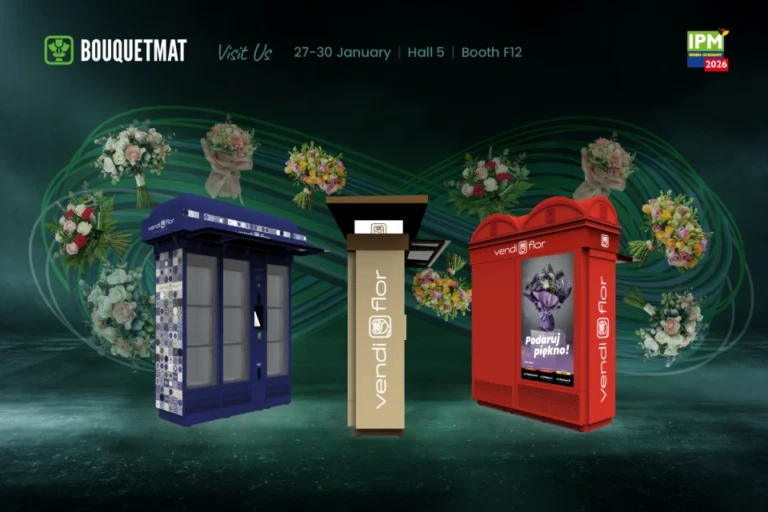
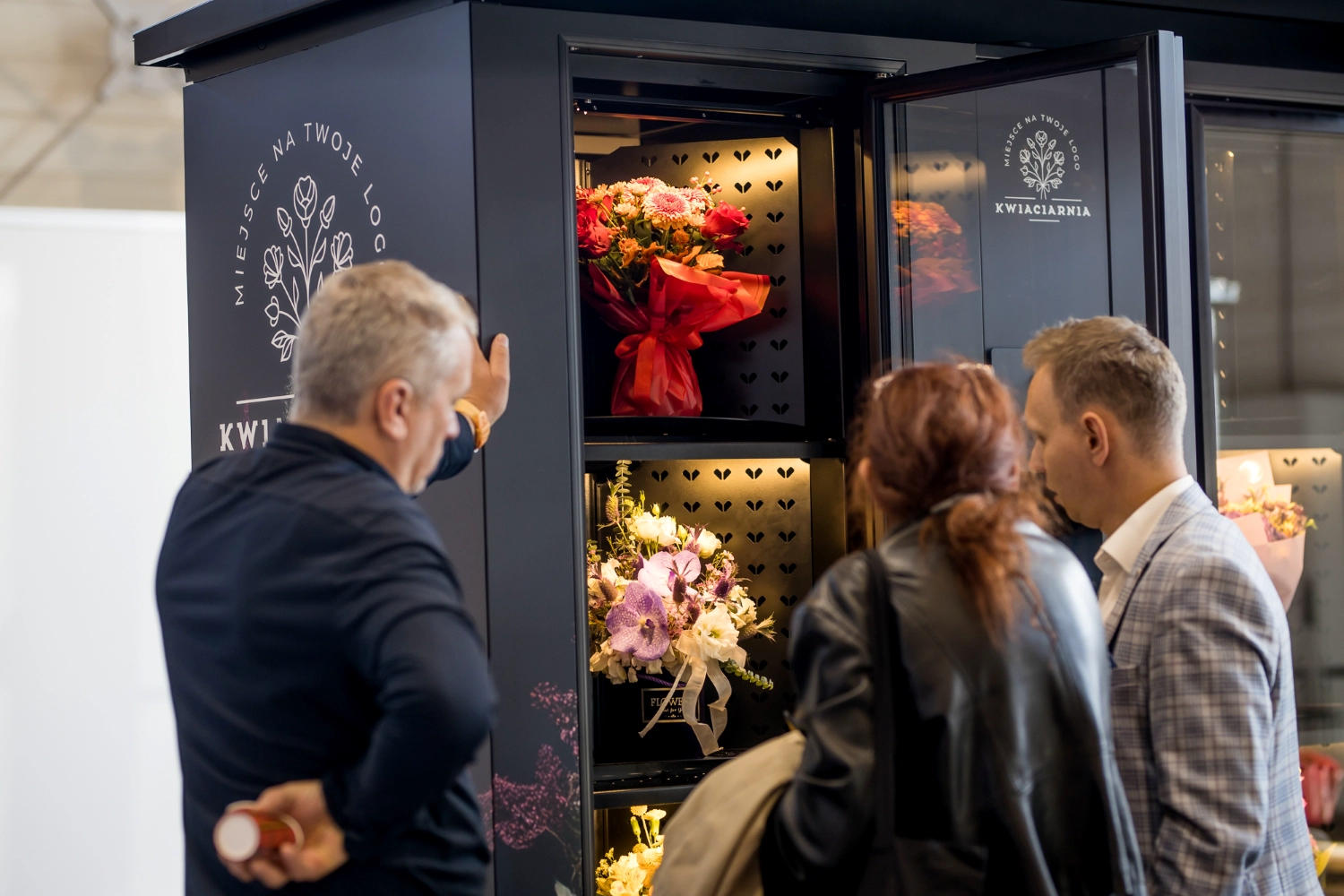
A BouquetMat doesn’t have that barrier. It stands in public space. It doesn’t require a declaration. It doesn’t judge. It doesn’t ask questions. The UX of the machine is based on the customer’s autonomy — the feeling that you can buy flowers without entering a role, without conversation, without exposing uncertainty or hesitation. It’s a completely different experience from a florist shop — not worse, just meeting a different need.
Now the most important part: very often these are entirely different customers.

Our experience shows that a large portion of people buying from a BouquetMat are individuals who never previously bought flowers in a local florist shop. Not because they were dissatisfied — they simply didn’t have the habit, courage, or impulse. The machine appears in their way by chance — on the way home, while running errands, or next to other routines — and suddenly buying flowers stops being a “special event” and becomes a natural gesture.
This is a fundamental UX shift. The BouquetMat doesn’t compete with the florist shop for the same customer in the same moment. It creates a new purchase moment that didn’t exist before.
That is why describing the machine as merely “an after-hours flower rescue” is too narrow. Yes — the ever-available self-service clearly works after opening hours. But its true potential reveals itself when we think of it as a new place of sale — a new touchpoint between the customer and the local florist brand, functioning in a different context, at a different pace, and with a distinct emotional dynamic.
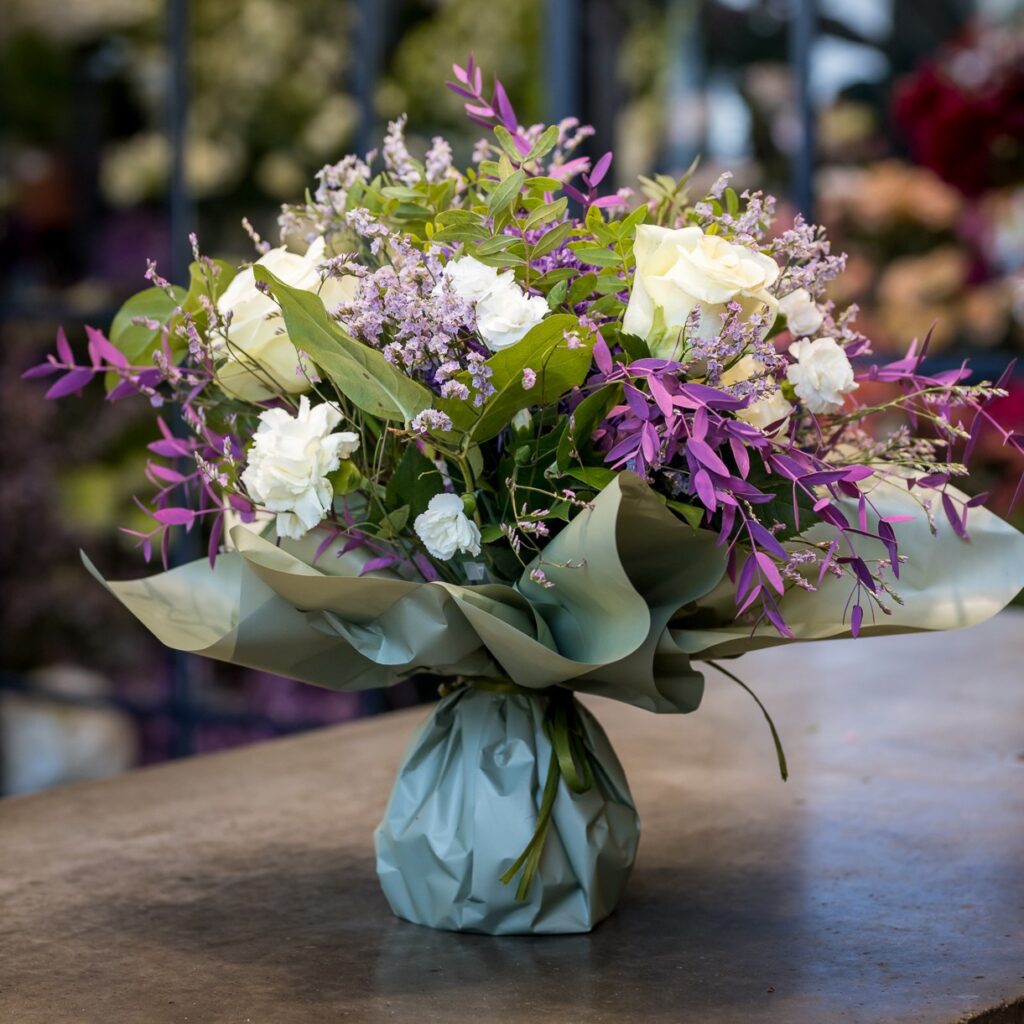
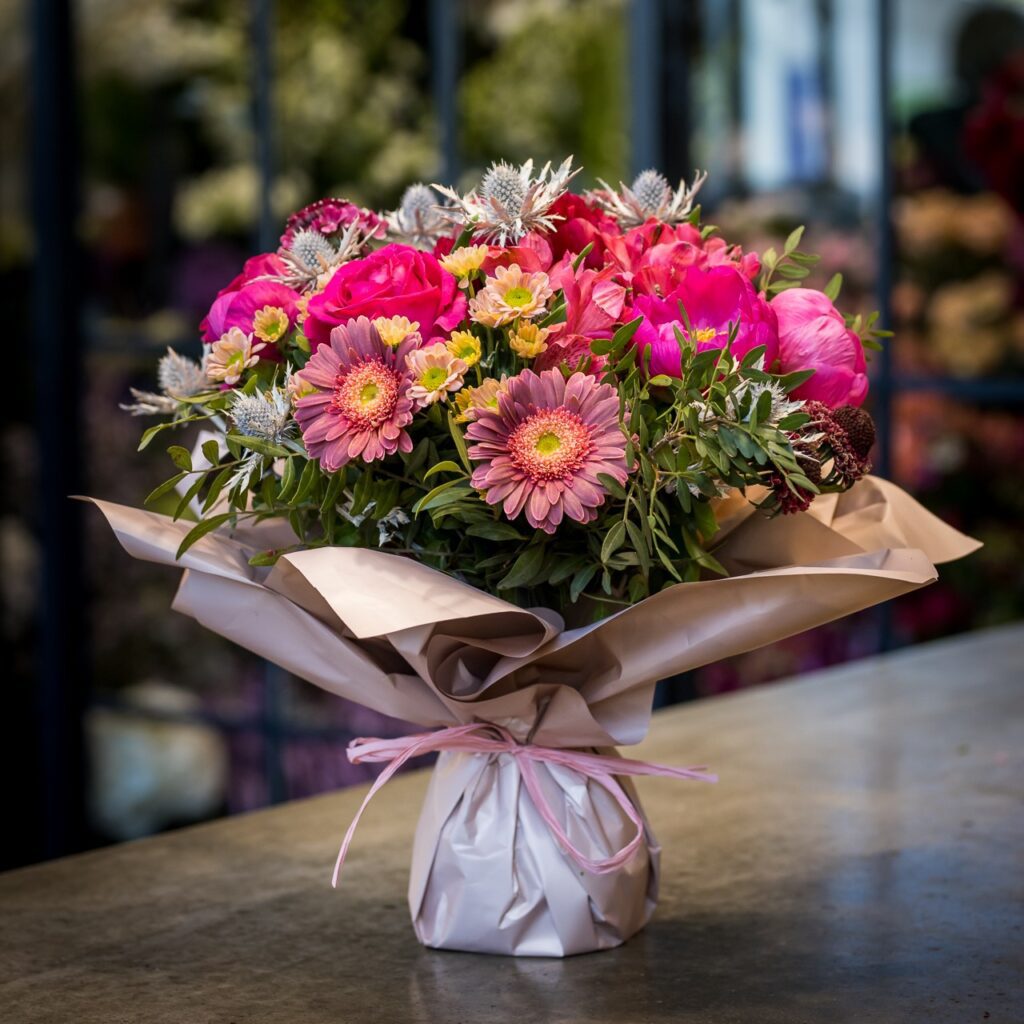
A BouquetMat is like a shop without doors — without opening hours and without mandatory conversation, yet offering the same product quality, aesthetic standards, and brand experience. For the customer it is often the first contact point. For the florist — a new revenue stream that doesn’t burden the team or drain energy from work in the physical shop.
It’s also worth honestly mentioning one more UX benefit that’s rarely discussed. The machine protects the florist. It takes over simple, impulsive, and repetitive sales. Thanks to this, in the brick-and-mortar shop remains exactly what requires the presence of a human — deep conversation, bespoke advice, creativity, and relationship building. The BouquetMat doesn’t take away the essence of the florist’s work; it separates transactional sales from mastery-level service.

Most florists who work with a BouquetMat for several months say one thing:
sales in the shop haven’t declined — but alongside they have appeared revenue streams that simply did not exist before.
That is not magic. That is UX — a response to real customer behavior, not to our own assumptions.
A florist shop and a BouquetMat are not on opposite sides of a divide. They stand beside each other. Each addresses different expectations at different moments in the customer’s life. And only together do they create a complete brand experience in the floral business.
So the question is not “either the shop or the machine.” It is about understanding that the customer’s needs are not static. And today, as an industry, we have a tool that helps us meet these dynamic needs without losing the identity of our profession.
If this article has convinced you that investing in a BouquetMat could be a valuable step for your flower business, we invite you to get in touch with us.
We will be happy to provide detailed information and a tailored offer for BouquetMat flower vending machines manufactured in Poland by Eldrut Automatics.
📩 hello@bouquetmat.com
📞 +48 576 375 900
FAQ
How do a florist shop and a BouquetMat serve the same customer differently?
A florist shop focuses on personal service, custom arrangements, and emotional consultation. BouquetMat responds to the need for speed, convenience, and 24/7 availability. Both formats serve the same customer — but in different moments and purchasing contexts.
Does a BouquetMat compete with a traditional flower shop?
No. It complements the shop by capturing impulse purchases and after-hours demand. Instead of replacing the florist, it extends the sales window and strengthens overall revenue stability.
When does a customer choose the shop and when the machine?
Customers visit the shop for special occasions, personalized advice, and complex orders. They choose the machine for quick decisions, last-minute gifts, or purchases outside standard opening hours.
Why is combining both models strategically effective?
A dual model creates a multi-channel structure that increases accessibility, diversifies revenue streams, and stabilizes cash flow. One customer, two needs — traditional service and instant availability — working together within one business ecosystem.