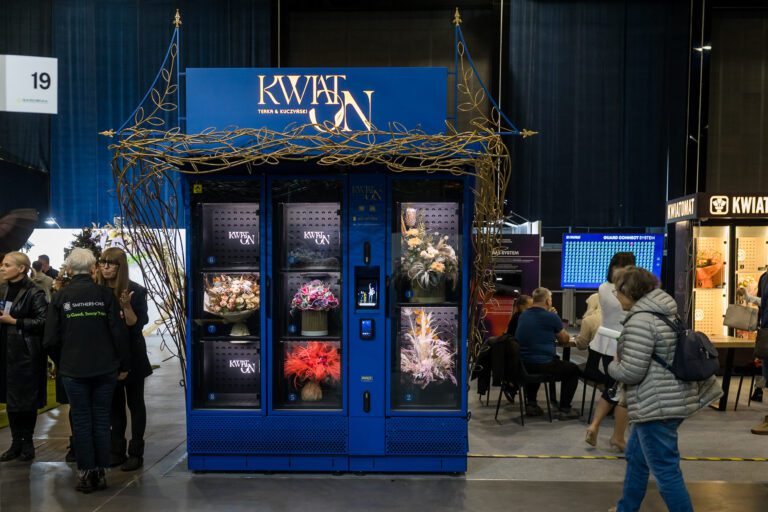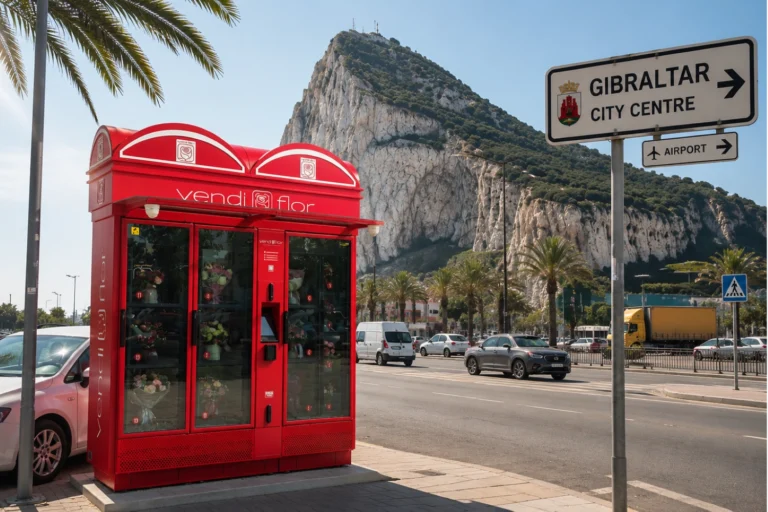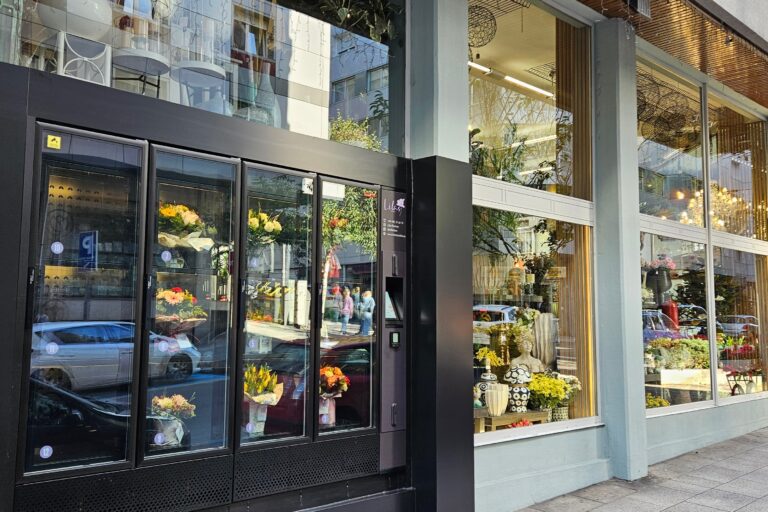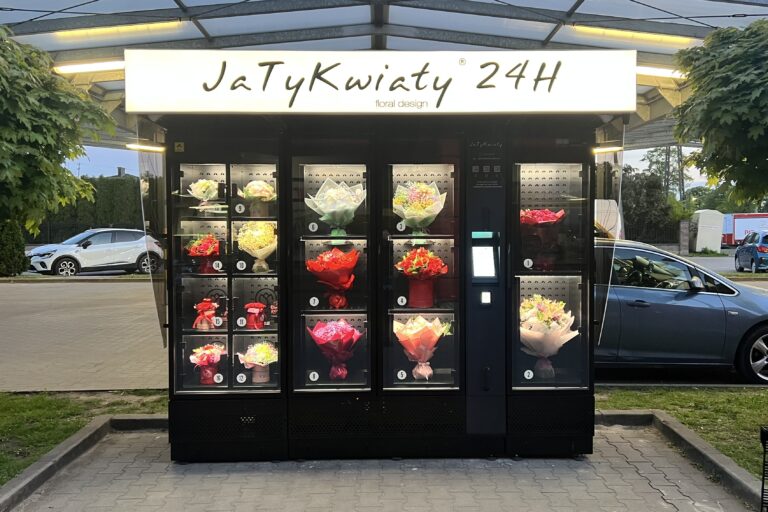
The Convenience Market Is Changing Faster Than Many of Us Expected. The Time Has Come for Flowers 24/7!
Oto kompletne tłumaczenie tytułu, artykułu, wezwania do działania i sekcji FAQ w naturalnym języku angielskim. Nie jest to tłumaczenie dosłowne, lecz dostosowane do stylu anglojęzycznych artykułów branżowych.
The Convenience Market Is Changing Faster Than Many of Us Expected. The Time Has Come for Flowers 24/7!
Just a few years ago, fuel stations were associated mainly with refueling vehicles, while the stores attached to them offered only basic products such as drinks, snacks, and newspapers. Today, it is difficult to find someone who does not stop for a coffee, a fresh sandwich, or some quick shopping. The convenience market has changed dramatically.
This transformation is no coincidence. Across Europe, traditional retail locations are evolving into destinations offering customers a growing range of products and services. Convenience, speed, and availability are becoming increasingly important. Modern consumers want to accomplish several tasks during a single visit and expect products to be available whenever they need them.
Customers Shop Differently Than They Did Just a Few Years Ago
Today’s consumers do not think in terms of sales channels. They do not distinguish between traditional stores, online shopping, or vending solutions. What matters most is whether the product is available when they need it.
That is why self-service concepts are growing so rapidly. Vending machines offering beverages, bakery products, pizza, ready meals, and regional specialties are no longer curiosities. They have become part of everyday life.
The very definition of a store is changing as well. Increasingly, it is no longer a single location but an entire ecosystem that combines physical retail, e-commerce, social media, delivery services, and automated solutions available around the clock.
Impulse Purchases Are Stronger Than Ever
Coffee, fresh bakery products, sweets, ready meals, and small gifts have always belonged to the category of impulse purchases. Increasingly, flowers are becoming part of this category as well.
This should come as no surprise. A bouquet is one of the most emotional products available on the market. People buy flowers for birthdays, anniversaries, family gatherings, and celebrations, but very often they are purchased simply because someone wants to make another person smile.
This is precisely why flowers fit so naturally into the philosophy of the convenience market.
Flowers and Sweets: A Natural Combination
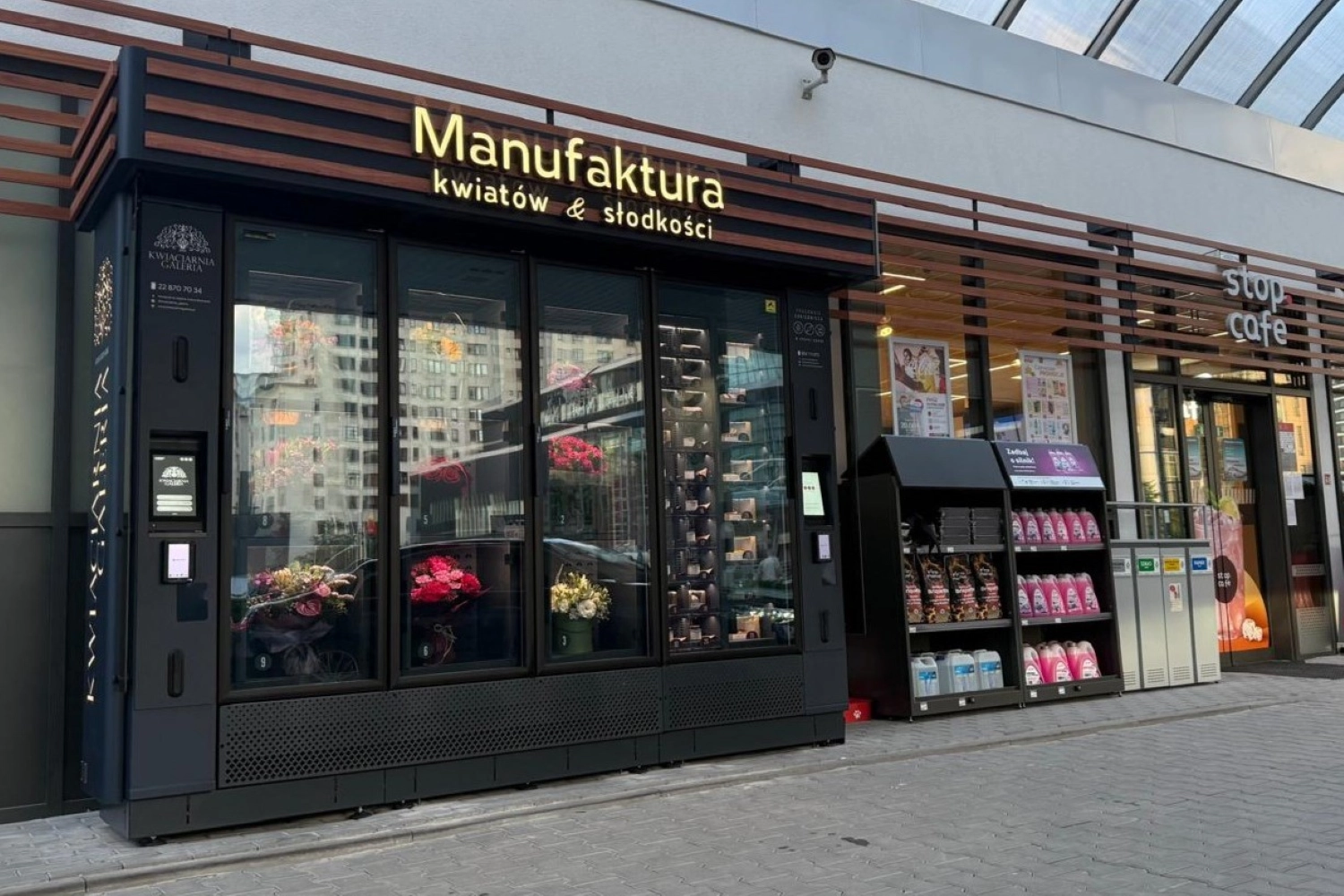
In recent years, different product categories have increasingly complemented one another. Coffee is sold alongside pastries. Ready meals are paired with desserts. And flowers are increasingly offered together with sweets, cakes, chocolates, and small gifts.
This trend is far from accidental.
Customers looking for a quick gift do not want to visit several stores. They want a simple solution that allows them to buy everything they need in one place.
That is why combining flowers with other impulse categories appears to be one of the most natural directions for the future of convenience retail.
Flower Vending Machines Do Not Replace Florists
As new sales channels emerge, questions naturally arise about the future of traditional flower shops. Similar concerns have accompanied the development of supermarkets, online stores, and flower delivery services.
However, it is worth noting that behind most flower vending machines are local entrepreneurs and family-owned businesses.
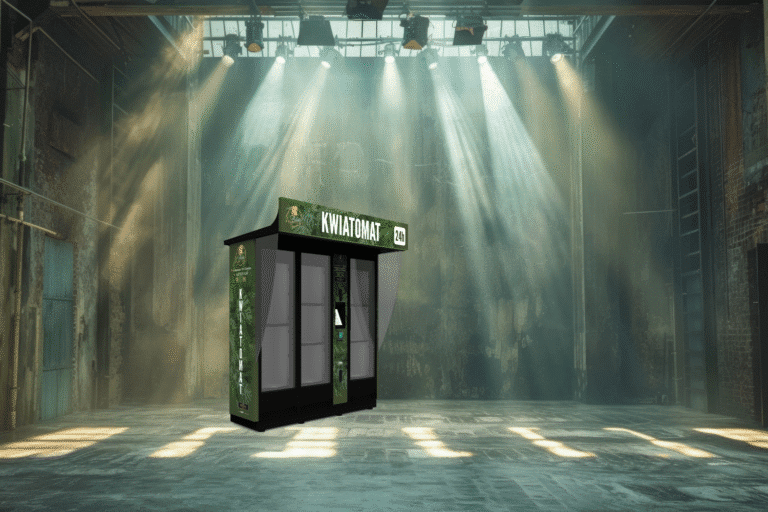
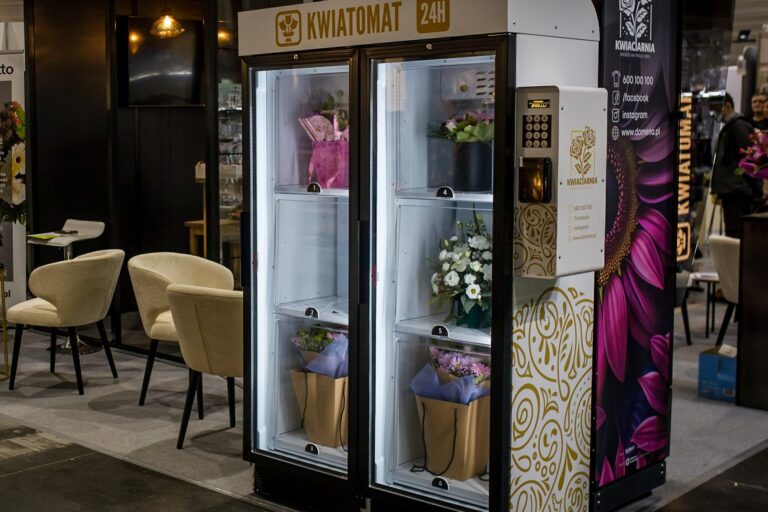
For many florists, a flower vending machine has become not a competitor to their physical shop, but a natural extension of it. Just like e-commerce, social media, or delivery services, it allows them to reach customers who value convenience and availability around the clock.
The greatest strength of this model lies in the combination of modern technology with the expertise of local florists. They are the ones responsible for creating bouquets, maintaining quality, and ensuring daily operation.
Flowers Have an Advantage Over Many Other Products
Convenience retail is built around products that are purchased quickly and spontaneously. Flowers possess another unique quality.
They create emotions.
A bouquet can express love, gratitude, remembrance, or an apology. Few products carry such a powerful message. That is why flowers are unlikely to disappear from everyday retail.
Only the places and methods of selling them are changing.
Retail Is Moving Toward Omnichannel Sales
Modern retail increasingly relies on multiple channels rather than a single point of sale. Customers may visit a traditional flower shop, order online, or buy a bouquet on their way home.
Collaboration between different industries is becoming increasingly important. Flowers are appearing alongside food, sweets, ready meals, and other impulse categories. These combinations create new shopping experiences and better respond to changing consumer expectations.
Convenience Matters More Than Technology
Looking at the direction European retail is taking, one word seems to define the future: convenience.
Customers are not interested in whether they are using a traditional, online, or automated channel. They simply expect quality, ease of purchase, and availability whenever they need it.
For this reason, the future is unlikely to belong exclusively to either traditional stores or vending machines. The greatest opportunities will belong to entrepreneurs who successfully combine different sales channels while continuing to focus on quality and customer trust.
Technology may transform the way products are sold, but people and their needs will always remain at the center of retail.
Is the Future Belonging to Multi-Category Concepts?
There are many signs suggesting that this is exactly where convenience retail is heading. Flowers, sweets, coffee, ready meals, and small gifts do not compete with one another. On the contrary, they complement each other.
Perhaps in a few years, no one will be surprised to find a place where they can buy a fresh bouquet, a cake, a coffee, and a small gift at any hour of the day.
And for customers, the most important thing will be simple:
Everything they need will be available exactly where they happen to stop.
Interested in Learning More?
The convenience market is evolving rapidly, and changing customer habits are making omnichannel retail more important than ever. For many local florists, flower vending machines have become not a replacement for traditional flower shops, but a natural extension of them.
If you are curious about how this model works in practice, its opportunities and challenges, it is worth talking to entrepreneurs who have already been successfully operating flower vending machines for several years.
The experience of hundreds of local florists proves that there is no one-size-fits-all solution. However, there are many ways to integrate new sales channels into an existing business strategy.
If you would like to learn more about flower vending machines, discuss the future development of your flower business, or hear the experiences of other entrepreneurs, feel free to contact us and follow future articles on our blog
+48 576 375 900 – hello@bouquetmat.com
Frequently Asked Questions (FAQ)
Do flower vending machines replace traditional flower shops?
No. In most cases, they are an additional sales channel developed by local florists. Bouquet preparation, quality control, and daily operation are handled by experienced flower professionals.
Is selling flowers 24/7 just a temporary trend?
All signs suggest that it is becoming one of the key directions in convenience retail. Like online flower shops and delivery services before them, flower vending machines respond to changing customer expectations.
Why do flowers fit so well into the convenience market?
Flowers are often purchased impulsively. Customers frequently remember important occasions at the last minute, making 24/7 access to fresh bouquets highly valuable.
Are flower vending machines suitable only for fuel stations?
No. They are successfully installed in retail parks, supermarkets, city centers, railway stations, shopping malls, and many other locations. Accessibility and customer convenience are the key factors.
Are flower vending machines operated by large retail chains?
In Poland, most flower vending machines are owned and operated by local florists and independent entrepreneurs, who are responsible for bouquet quality and daily maintenance.
Does combining flowers with sweets and gifts make sense?
Yes. Across Europe, multi-category convenience concepts are becoming increasingly popular. Flowers, sweets, coffee, ready meals, and small gifts naturally complement one another in impulse shopping.
Should every florist invest in a flower vending machine?
Not necessarily. Just as not every flower shop needs an online store or a second location, each entrepreneur should choose a development path that best suits their market and strategy.
Where can I find more information?
More information about flower vending machines, 24/7 flower sales, and the experiences of local florists can be found on our blog or by contacting our team directly.