The Future of the Flower Industry – Five Pillars According to Florint
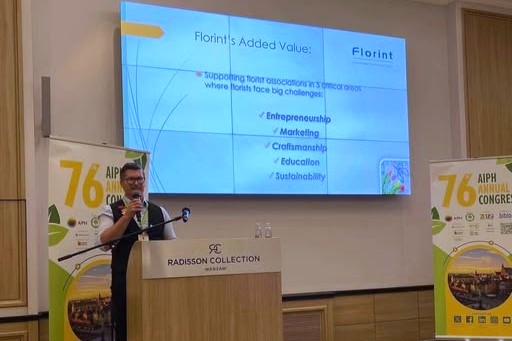
During the AIPH Congress in Warsaw, Simon Ogrizek, President of the international organization Florint, presented a vision for the development of the floral industry. He highlighted five key areas that will shape the future of the flower market.
1. Entrepreneurship in Floristry
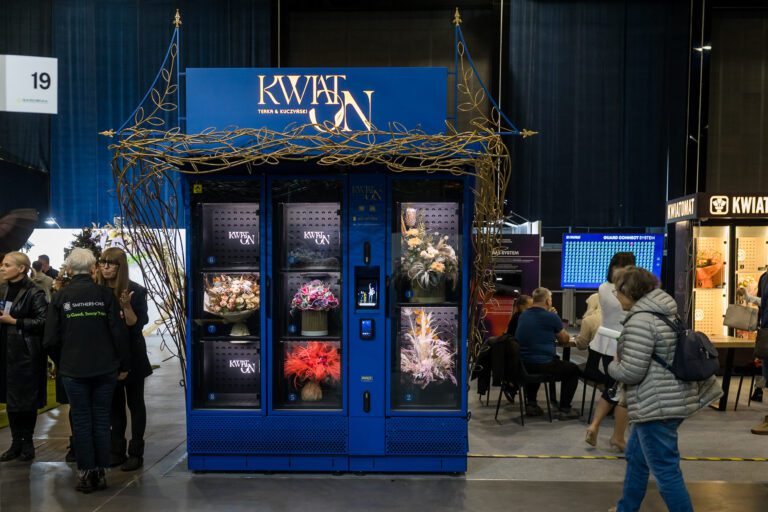
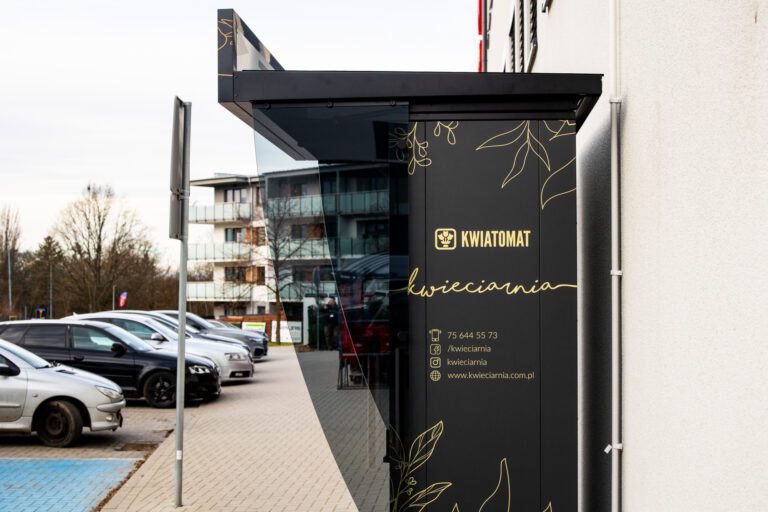
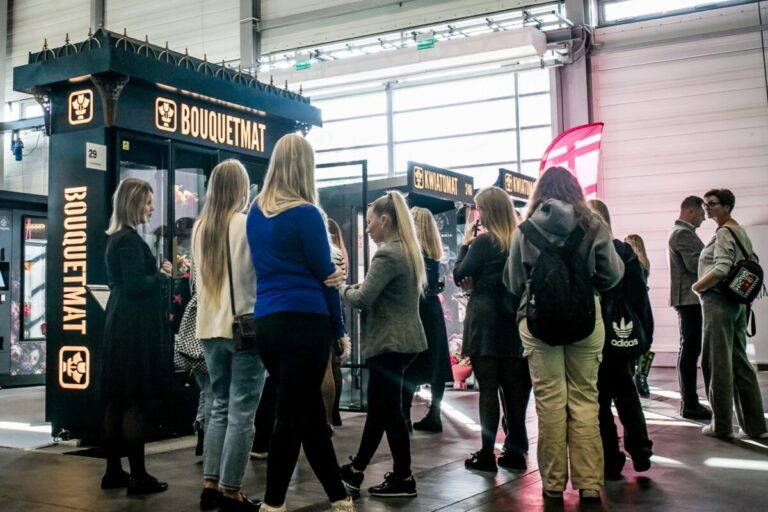
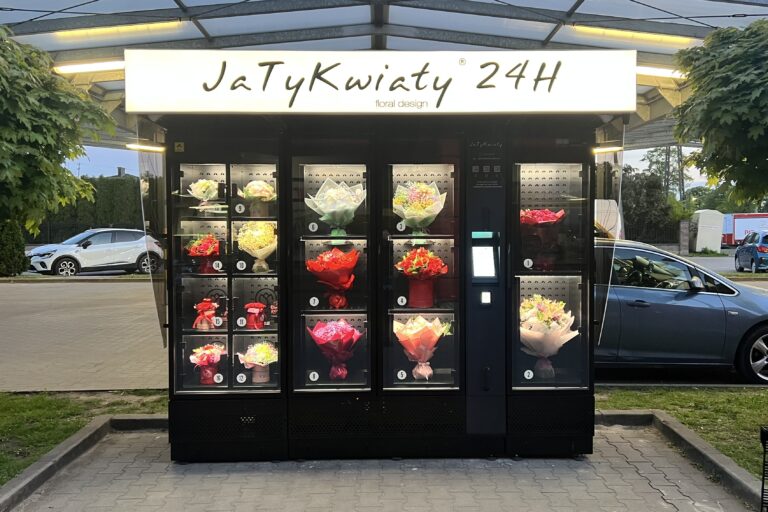
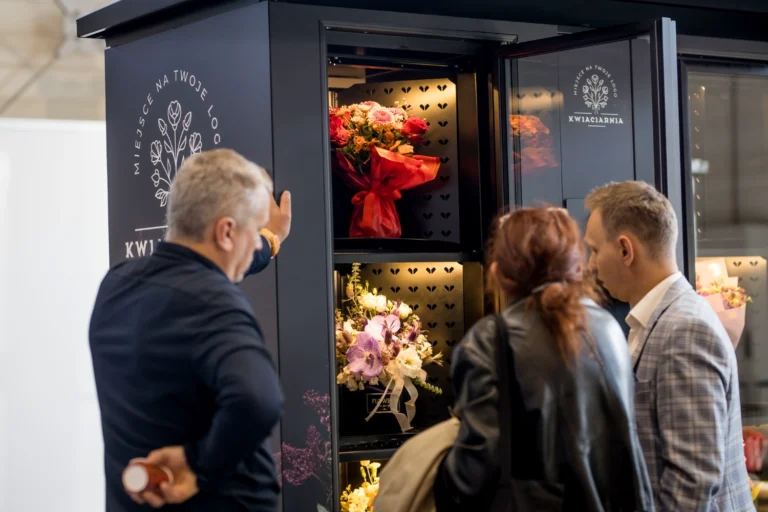
A modern florist is not just an artist. They are also an entrepreneur who understands finance, investment, and market trends. Implementing new sales models – including e-commerce and automation (flower vending machines) – is becoming a way to increase profitability.
2. Marketing and Brand Building
A strong flower shop brand has become a foundation for success. Ogrizek emphasized the importance of storytelling, social media promotion, and creating memorable customer experiences. Customers today seek not only flowers but also emotions.
3. Craftsmanship and Quality in Floristry
Florint aims to raise quality standards across the floral sector. High-class workmanship, original designs, and unified certification systems will become the key differentiators for the industry.
4. Education and Talent Development
Training, mentoring, and Podróże kształcą florystycznie – wsparcieflorystow.pl (such as the World Cup Floral Art in The Hague in 2025) will be key to developing the industry. Education must cover both floral artistry and business skills.
5. Sustainability
Eco-friendly growing methods, reducing the carbon footprint, certification of flower origins, and environmentally conscious consumer choices will increasingly influence the floral industry in the years to come.
What Challenges Await the Floral Industry?
- Rising operational costs.
- Changing customer expectations.
- The need to implement new technologies.
- Environmental pressure and supply chain transparency.
Summary
Simon Ogrizek emphasized:
“The future of floristry is a fusion of art and entrepreneurship. Industry organizations must become the guides in this process of change.”
FAQ
What are the five pillars shaping the future of the flower industry?
According to Florint, the future of the flower industry is built on sustainability, transparency, innovation, digitalisation, and stronger cooperation across the supply chain. These pillars define how growers, wholesalers, and retailers must adapt to remain competitive.
Why is sustainability becoming central to floriculture?
Sustainability is no longer optional. Consumers and retail partners increasingly expect responsible sourcing, reduced environmental impact, and ethical production standards. Businesses that integrate sustainable practices gain long-term trust and market stability.
How does digitalisation influence modern flower sales?
Digitalisation improves traceability, logistics efficiency, pricing transparency, and retail accessibility. Solutions like automated flower vending systems expand availability and align floristry with modern convenience-driven consumer behavior.
What does this mean for florists and flower retailers?
Florists must combine craftsmanship with technology, sustainability awareness, and strategic positioning. Businesses that embrace innovation while maintaining product quality will be better prepared for long-term growth in a rapidly evolving market.